

Four Days, Three National Parks, and Some Very Big Trees
Updated: Jul 8
California apparently decided one spectacular national park wasn’t enough.
Over four packed days, we climbed granite domes, chased waterfalls, wandered among ancient sequoias, drank well-earned post-hike beers, and learned that the phrase “quick drive” is highly subjective in the Sierra Nevada. This Yosemite, Kings Canyon, and Sequoia itinerary is ambitious, hike-heavy, and best suited to travelers who don’t mind early mornings or winding mountain roads—but it delivers one seriously impressive tour of Central California’s national parks.
Day 1: Yosemite National Park

Stay: Yosemite Cedar Lodge
Located just outside Yosemite along Highway 140, Cedar Lodge made a convenient and wonderfully unfussy home base. It’s super family-friendly, with pools, a general store, and a restaurant onsite. More importantly, our room was spacious, quiet, and blessedly cool after a full day of exploring Yosemite Valley.
Hike: Sentinel Dome and Taft Point
Start the trip with a hike that immediately shows you what Yosemite is all about: enormous granite cliffs, tiny-looking roads far below, and views that make you stop every few minutes to say, “Wait, look at that.”
We combined Sentinel Dome and Taft Point into a roughly five-mile loop. Exact mileage and elevation gain can vary slightly depending on the route you follow, but plan for around 1,000 feet of climbing.
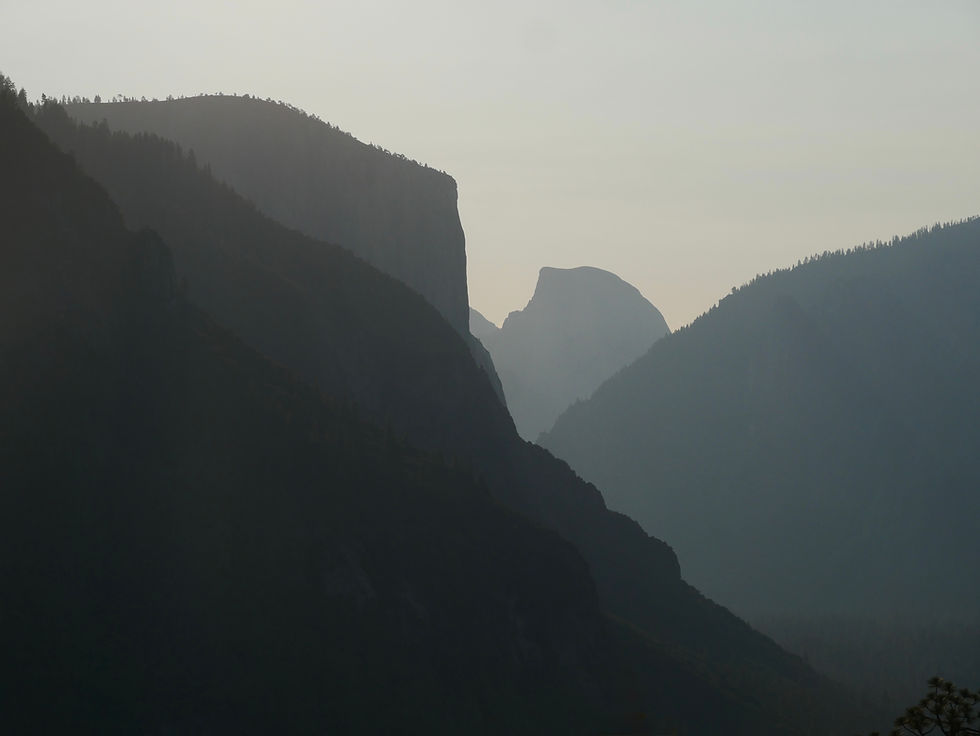
Sentinel Dome comes first, with a short but steep scramble to the summit and a 360-degree view of the surrounding landscape. From the top, you can see Yosemite icons like Half Dome, El Capitan, and Yosemite Falls. The trail then descends through the forest before building to a dramatic finish at Taft Point, where fissures in the granite open beside sweeping views over Yosemite Valley. The National Park Service lists the individual hikes as two miles round trip to Sentinel Dome and 2.2 miles round trip to Taft Point, but I highly recommend combining the two.
As with nearly every popular hike in Yosemite, start early. We aimed to arrive by 8 a.m. at the latest, to secure a trailhead parking spot before the crowds and midday heat rolled in.
Wander the Valley Floor
After the hike, it was time to brave the masses along Yosemite Valley’s iconic floor. Stop inside the Ansel Adams Gallery, gaze up at the walls of granite surrounding you, buy a few wildly expensive groceries, and assemble a post-hike sandwich among the throngs of visitors.
Embrace it. Because, ya know, you are one of them, too.
Happy Hour at The Ahwahnee
Staying at the historic Ahwahnee Hotel would be the dream. The next best thing is snagging a table near the hotel’s bar or lounge for happy hour.
Is anything better than a post-hike beer beneath Yosemite’s towering granite walls?
Take your time. I’ll wait.
Day 2: Waterfalls and Hetch Hetchy
Hike: The Mist Trail to Nevada Fall
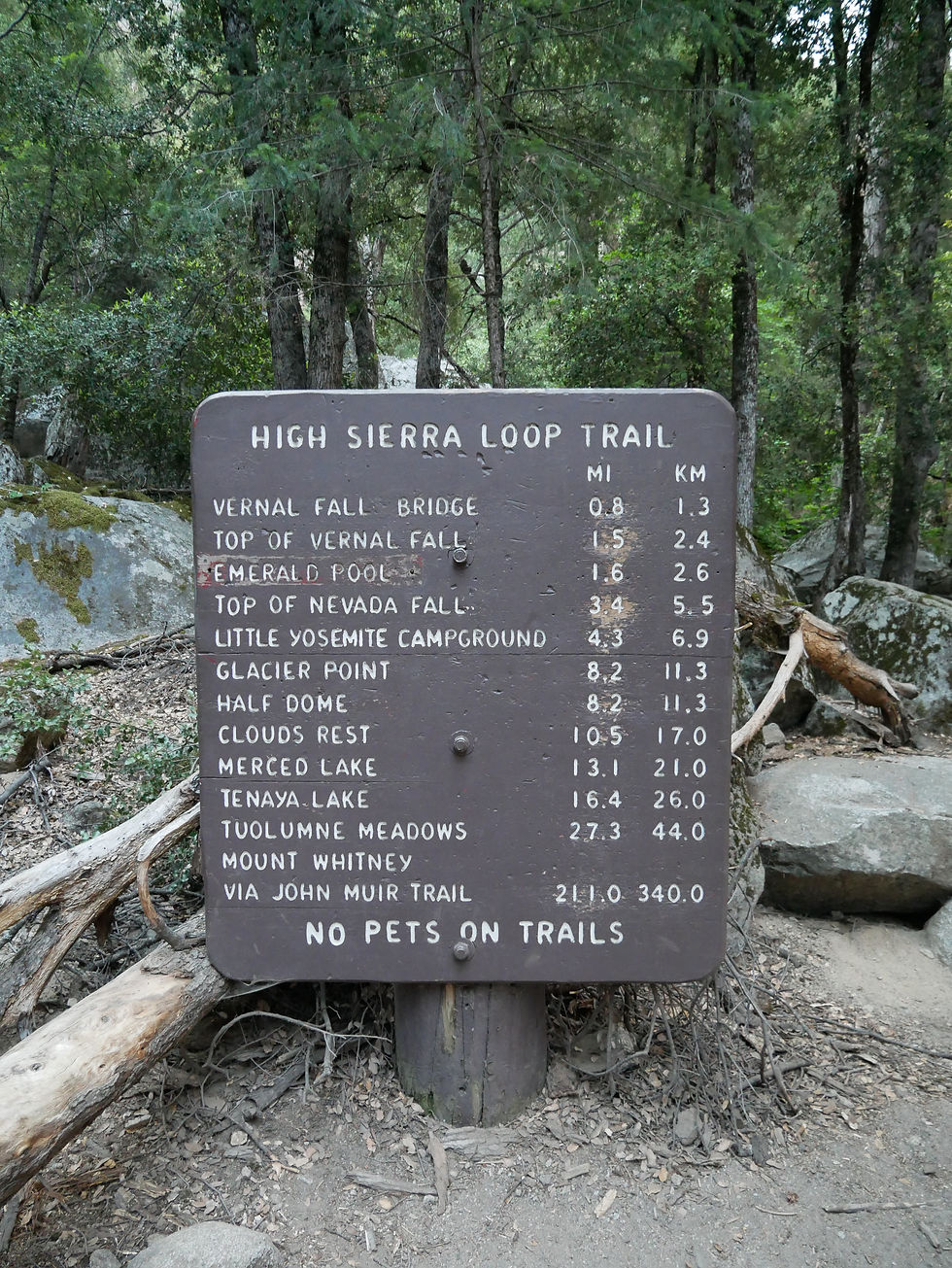
The Mist Trail is one of Yosemite’s most famous hikes—and for good reason. Beginning near Happy Isles, the trail climbs beside the Merced River before reaching the top of Vernal Fall after approximately 1.2 miles and 1,000 feet of elevation gain.
The final approach involves more than 600 steep granite steps, which can become extremely wet and slippery when the waterfall is flowing strongly. You will understand the trail’s name almost immediately.
Continue beyond Vernal Fall toward Nevada Fall for an even bigger day. The direct out-and-back route to the top of Nevada Fall is approximately 5.4 miles with 2,000 feet of elevation gain, while longer loop variations using the John Muir Trail can bring the total closer to seven miles.
The crowds thin noticeably after Vernal Fall, but the climbing does not. Still, the effort is worth it for what feels like a Yosemite greatest-hits reel: waterfalls, granite cliffs, river views, pine-scented forests, and glimpses across the valley.
Explore: Hetch Hetchy
After the hike, take the roughly 1.5-hour drive from Yosemite Valley to Hetch Hetchy, Yosemite Valley’s more distant—and partially submerged—cousin.
San Francisco began eyeing Hetch Hetchy as a potential reservoir site in the late 1800s. After the 1906 earthquake and fire exposed the vulnerability of the city’s water system, the search for a more reliable supply gained urgency. Congress passed the Raker Act in 1913, authorizing construction of a dam within Yosemite National Park.
Preservationists led by John Muir strongly opposed the project, arguing that a place this beautiful should remain untouched. Despite their efforts, O’Shaughnessy Dam was completed in phases beginning in the 1920s, transforming the valley into the reservoir seen today.
So yes, Hetch Hetchy comes with waterfalls, granite cliffs, a massive reservoir, and more than a century of political and environmental controversy.
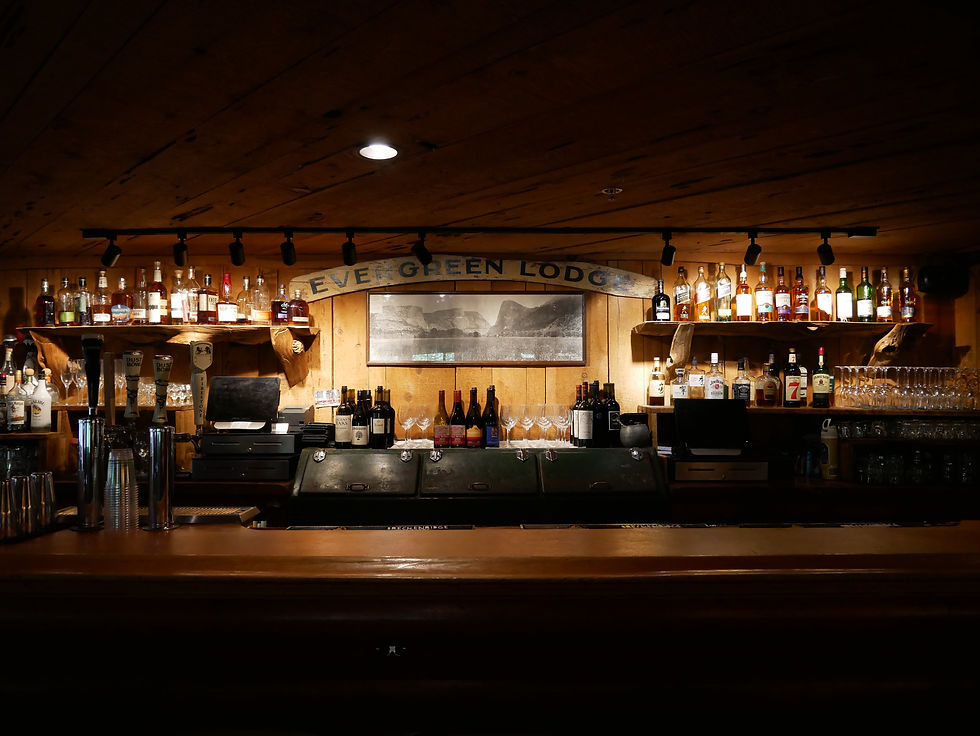
On the return drive, we stopped at the Evergreen Lodge Tavern for a few beers and some highly competitive games of Connect Four. I love stumbling across unexpected little watering holes like this—especially after a long day on the trail.
Day 3: Mariposa Grove and General Grant
This is the itinerary’s major transition day, so prepare for some quality time in the car.
From Yosemite’s South Entrance to the Big Stump Entrance of Kings Canyon National Park, the drive is approximately 2.5 hours without stops. From Grant Grove to the Ash Mountain entrance near Three Rivers, the drive through the parks can take another two hours. Mountain traffic, construction, photo stops, and wandering wildlife can easily stretch those estimates.
Explore: Mariposa Grove
Before leaving Yosemite, stop at Mariposa Grove near the park’s southern entrance. The grove contains approximately 500 mature giant sequoias and immediately gives you a sense of just how strange—and enormous—these trees are.
The two-mile Grizzly Giant Loop passes the Bachelor and Three Graces, the California Tunnel Tree, and the Grizzly Giant, which is estimated to be around 3,000 years old.
We almost enjoyed this grove more than some of the more famous areas in Sequoia and Kings Canyon. The trails made us feel completely immersed in the forest, surrounded by massive trunks rather than simply moving from one named tree to another.
Mariposa Grove is the perfect introduction before heading toward the official home of the world’s largest trees.
Explore: General Grant Tree
Kings Canyon felt like a hybrid of Yosemite and Sequoia—towering granite landscapes mixed with groves of enormous trees.
We spent a few hours wandering the accessible trails around Grant Grove, including the short loop to the General Grant Tree. Measured by trunk volume, General Grant is the second-largest tree in the world, behind only General Sherman.
The tree is difficult to comprehend in person. You can stare at it, circle it, photograph it, and stand next to it, but your brain still struggles to understand the scale.
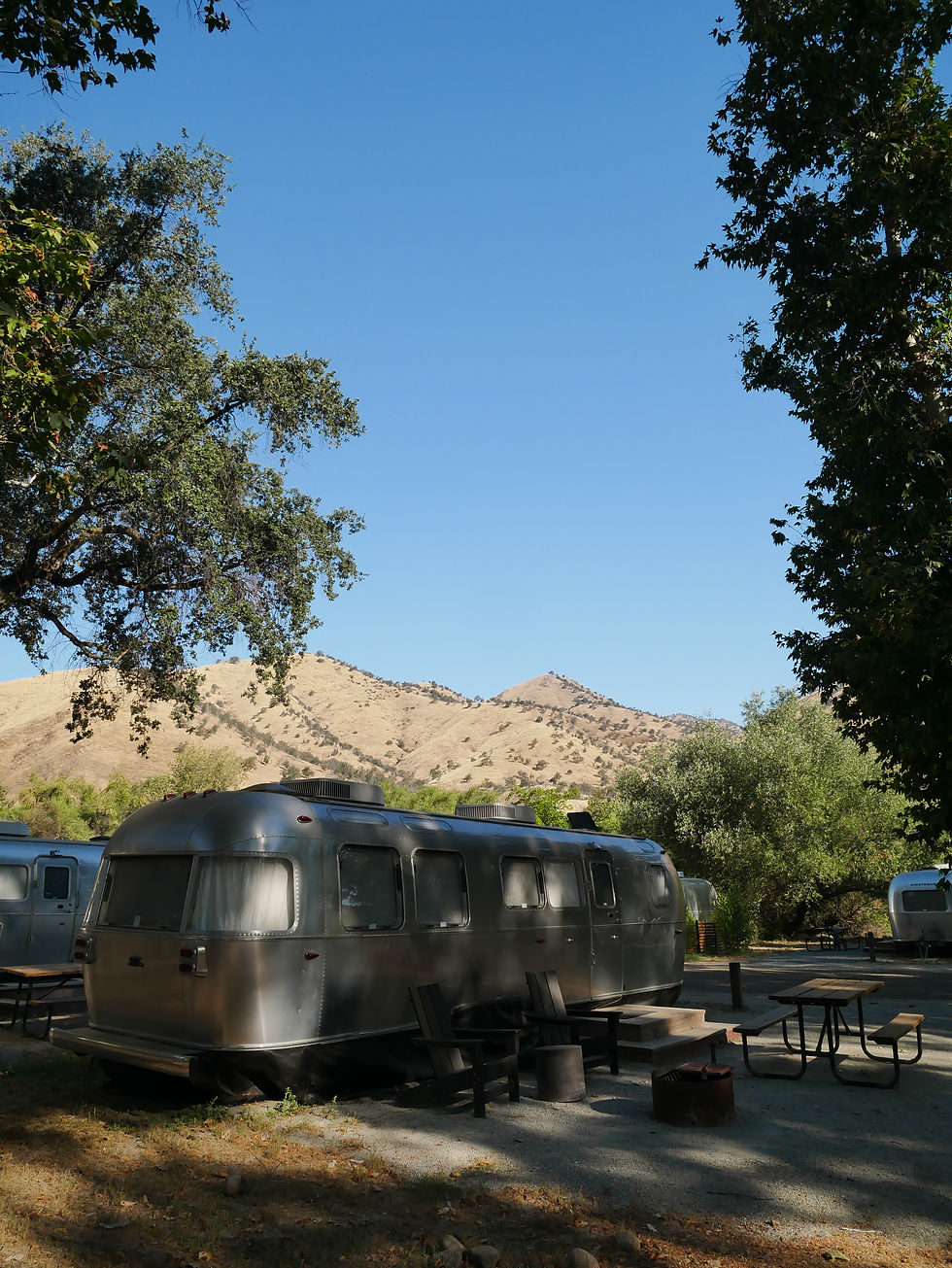
Stay: AutoCamp Sequoia
We stayed at AutoCamp Sequoia in Three Rivers, a glamping paradise located near the entrance to Sequoia National Park.
Our luxurious Airstream sat just steps from the river and provided the perfect reset after three days of exploring. The modern mountain aesthetic, complimentary morning coffee and granola, river access, and—most importantly—air conditioning made it an ideal base camp for our time in Sequoia.
Day 4: Sequoia National Park
Explore: General Sherman Tree
We started early and headed straight for the General Sherman Tree before the crowds flowed in.
From the main parking area, it’s approximately a half-mile descent to the Giant Forest and the General Sherman Tree. Remember that everything you walk down must eventually be climbed back up—preferably after taking 75 nearly identical photographs of one enormous tree.
General Sherman is the largest tree on Earth by trunk volume. It is not the tallest or the widest, but its trunk contains more wood than that of any other known tree.
And yes, it is huge.
I kept thinking that its base looked like the foot of a massive brontosaurus. Its weathered cinnamon-colored bark has endured fire, wind, snow, and approximately 2,200 years of changing seasons.
We oohed. We aahed. We stared for an hour-ish.
Then we climbed back toward the car and headed for one final hike.
Hike: Tokopah Falls
The Tokopah Falls Trail was the perfect ending to our four-day national park bender.
The approximately 3.4-mile out-and-back trail begins near Lodgepole Campground and follows the Marble Fork of the Kaweah River through granite-walled Tokopah Canyon. The incline is gradual, with rocky terrain, creek views, seasonal wildflowers, and plenty of places to stop and admire the landscape.
At the turnaround point, Tokopah Falls cascades down the cliffs above the canyon. The waterfall is generally strongest during spring and early summer, when snowmelt pours down from the surrounding mountains.
It was gentle, scenic, and just challenging enough for legs that had already covered a lot of ground.
Four Days Later
What struck me most about this region was the contrast. In just a few days, we moved from Yosemite’s towering granite walls and roaring waterfalls to the cinnamon-colored trunks of ancient giant sequoias.
This particular combination of elevation, snowpack, fire, climate, and protected land allows the world’s largest trees to grow here. The largest giant sequoias thrive in the mid-elevation belt of the western Sierra Nevada, where deep winter snow and a long history of fire have shaped the forest.
We packed a lot into four days—possibly too much, according to our legs—but it gave us a spectacular introduction to three very different national parks.
We left tired, dusty, and already discussing what we missed.
Which, of course, is the best reason to go back.


Comments